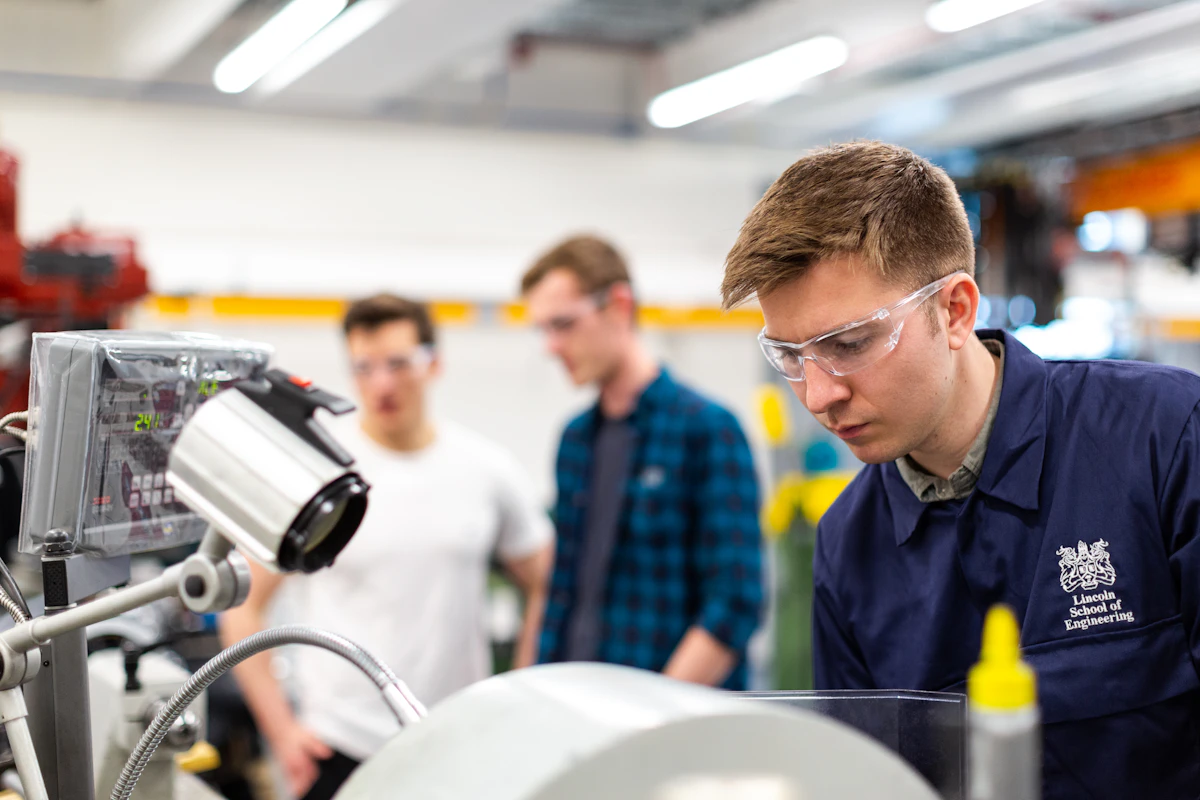
"Good Manufacturing Practice (GMP) is considered as globally enforced safety framework, to ensure controlled and consistent manufacturing of products complied to their respective quality standards based on intended use. GMP is beyond testing; it acts as a preventive system to reduce and eliminate risks at every step of production process."
What is GMP?
Good Manufacturing Practice (GMP) is considered as globally enforced safety framework, to ensure controlled and consistent manufacturing of products complied to their respective quality standards based on intended use.
Preventive System: GMP is beyond testing, it acts as a preventive system unlike conventional Quality Control systems that only focus on errors at final stage. To reduce and eliminate risks, not pointed out by testing of end products, GMP introduces quality check at every step of production process.
Regulatory Framework: GMP is not an option if manufacturer is importing goods in EU boundaries, it is a part of legislation by Medical Device Regulation (MDR) and IVDR. It is mandatory because it makes sure that each batch meets the technical requirements and market authorization.
The primary hazards GMP covers are:
• Impurities (chemical, microbial, or physical)
• Errors and deviations (incorrect ingredients, wrong labels)
• Variabilities (quality inconsistency between batches)
GMP - A Passport to Global Trade
GMP is not bound to just a legal requirement, it also serves as guard to industries and enterprises against operational hazards, protecting from financial losses and reputation crisis due to inconsistency in supply or quality.
Avoid Mistakes: Risks are always at edge in manufacturing. Improper machine cleaning or work negligence by staff can ruin a whole batch of products completely. By introducing quality monitoring point at each step, GMP assists in avoiding such troubles.
Customer Safety: Following GMP, enables the product to be contamination, microbial, dust, incorrect ingredients, or other harmful materials free. This characteristic of GMP ensures that customer safety keeps as top priority.
Trust Building: By improving product quality, consistency, and customer safety, GMP reduces risk, harms, and unplanned delays, which boosts the trust building between manufacturer and customers.
Business Growth: For across the border deals, GMP is taken as a prerequisite by many countries and big foreign retailers. Without GMP securing any deal in 27 countries of European Union is impossible.
5 Pillars of Quality
The scope of GMP is not restricted to product quality, it covers all aspects of business, from working staff to hard form reports.
1. People: Employees are the heart of any organization. Each and every staff member must be provided with proper training for their specific task. They must have knowledge about personal hygiene (hand washing, clean and proper uniforms etc.) and also know how to implement the learnt knowledge on work.
2. Premises: To keep the working space clean, design of building must be taken into account. The building must have ample space to prevent and reduce cross-contamination (accidental inter mixing of ingredients from one department to another), easy to clean walls and floors, and good quality air.
3. Processes: All steps must be well-designed following the guidelines provided by standard. Working efficiency of each step must be tested to avoid unwanted delays. Before changing any step, the new way must be tested to make sure that it is as safe as the old was.
4. Products: All the raw materials for the final product must be double checked. This also includes the supplier's inspection and raw material testing at arrival. To keep the quality of each batch consistent, a master formula should be followed.
5. Procedures: Documentation is like foundation in the world of compliance. If it is not written, it will not happen. Proper records must be kept of:
• Cleanliness and maintenance of machines
• Staff details assigned for a specific batch
• Problems occurred and ways to fix them.
Get Ready to Align Standard Operational Workflow with Competitive International Compliance
Our exclusive specialization in Class 1 Medical Devices, narrowed our focus and assisted us in providing an efficient and fast track to compliance standards like ISO 13485 and EU MDR. Integration of GMP in daily operations, makes manufacturers audit ready all the time.
Use of GMP standard, helps us in managing, tracking, and making manufacturer's document inspection ready, as creating and organizing technical files are considered as first and most important task of an EU AR.
Our GMP validation process makes sure that all produced goods are of same quality. This validation step also helps us to standardize workflow and eliminate any delays.
Compliance doesn't stop at production; it continues even after the product is sold. GMP compliant systems help in tracking products and keeping both product and patient safe. This step maintains manufacturer's transparency in authorities' record.
GMP vs. Other Standards
| Features | ISO 9001 | GMP (Good Manufacturing Practice) |
|---|
| 1. Nature | Foundation | Action |
| 2. System Focus | Corporate Framework (how the company works) | Product and environment oriented (how the goods are made) |
| 3. Legal Requirement | Voluntary (demand depends on business) | Statutory Obligation (prerequisite by global authorities) |
| 4. Scope | Universal application | Specific fields |
| 5. Audit Focus | Operational effectiveness of company | Product quality and integrity |
How to Get Certified
Getting a certificate is an extensive, complex, and overwhelming procedure. QHS Certification has divided the whole journey into a step-by-step approach and we will walk along with you till the end.
Initial Compliance Assessment: Evaluation is begun by comparing existing operation cycle with recommended workflow setup provided by standards. This helps in identifying areas of non-compliance and leads to a comprehensive corrective plan, a detailed list of areas needed to work on and actions required to remove the gap.
Quality Framework: An extensive documentation framework is built. This includes development of Standard Operating Procedures (SOPs), a step by step set of instructions that leads production process and trains team to make sure that processes are implemented in right order.
Regulatory Validation & Internal Audit: After documentation is done, precertification or first audit or internal audit is conducted. In this internal audit three tasks are performed: reviewing technical documents, observing working and production environment, and interviewing team. This step prepares the company for final audit.
Certificate Issuance: After passing the stage of final or second audit, GMP certificate is issued. It is more than a piece of paper, it is an international Compliance Credential that strengthens the bond of trust among retailers, authorities, and customers or market.
Frequently Asked Questions
Q: What is the main objective of GMP certification?
A: GMP is designed to monitor that products are consistently meeting quality standards and risks are reduced and prevented at all steps of operation/production.
Q: Does GMP certification cause any effect on our market access?
A: Yes, GMP is a gateway to global market, by removing all technical and non-technical commercial hurdles, promotes a smooth export process in international market especially 27 countries of EU.
Q: Is GMP a one-time process or a continuous obligation?
A: It is a continuous process that requires the consistent product quality adherence to global standards of compliance, as long as manufacturer continues the export in EU borders.
Q: What is the "Return on Investment" for implementing GMP?
A: ROI is about product efficiency optimization, ensuring no financial losses due to material wastage and batch failures leading to brand's reputation damage.
Q: How does working with QHS certification make the certification journey simple and easy?
A: We act as your legal and technical guide, providing assistance in aligning your existing production setup with required international standards, making you audit ready, and providing a clear roadmap to attain certification.
Q: How is Process Validation linked with long term compliance?
A: Process Validation formulates a documented proof that production line is meeting specific parameters, providing scientific evidence rather than accidentally meeting targeted specifications.
Q: What is the role of Critical Control Point in GMP procedure?
A: CCPs is an important step in production process, where monitoring of specific parameters are compulsory in order to avoid any safety failures, making sure that operation activities are performing within acceptable limits of parameters.
Q: What is right procedure for handling non-conforming goods?
A: Non-conforming materials are moved to restricted area immediately, by physical separation or by labelling with bright color tags, to keep them away from good quality products.